
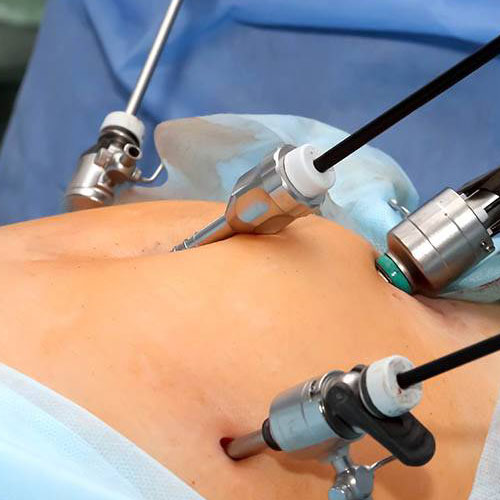
Fibroid removal surgery, or myomectomy, removes uterine fibroids while preserving the uterus for future fertility. Common techniques include minimally invasive laparoscopic (3-4 small cuts), robotic, or hysteroscopy (no cuts, via vagina), as well as open abdominal surgery (laparotomy) for larger tumors. Recovery lasts 2–6 weeks, depending on the approach.
Key Types of Fibroid Surgery (Myomectomy) :
Abdominal Myomectomy (Open) : A larger, traditional incision in the lower abdomen to remove large or numerous fibroids. Recovery is longer, typically 4-6 weeks.
Laparoscopic Myomectomy : Minimally invasive using a camera and small incisions (<1 cm). Results in less bleeding, faster recovery (2–4 weeks), and less scarring.
Robotic Myomectomy : A type of laparoscopic surgery where the surgeon uses a robotic system for enhanced precision.
Hysteroscopic Myomectomy : For submucosal (inner) fibroids, this approach uses a camera inserted through the vagina, with no external incisions.
When is Surgery Recommended?
Doctors recommend myomectomy when fibroids cause significant symptoms that do not respond to medications, such as :
Heavy or prolonged menstrual bleeding.
Significant pelvic pain or pressure.
Infertility or recurring miscarriages.
Is removal of fibroids a major surgery?
Fibroid removal (myomectomy) is generally considered a major surgery, particularly when it involves abdominal incisions, though it can be performed using less invasive techniques. Open abdominal myomectomy requires 6–8 weeks for recovery, while laparoscopic or robotic methods are "minimally invasive" with faster recovery.
What happens after fibroids are removed?
Removing uterine fibroids, usually through a myomectomy, provides relief from symptoms like heavy menstrual bleeding and pain, while preserving the uterus for fertility. Most people experience improved quality of life, less pelvic pressure, and a flatter abdomen. While existing fibroids are gone, new ones can grow.
How many hours is fibroid removal surgery?
Fibroid surgery (myomectomy) generally takes between 1 and 3 hours, though the duration depends on the method, and the size/number of fibroids. Hysteroscopic procedures are faster (30-60 mins), while abdominal or complex laparoscopic surgeries may take longer. Recovery usually takes 4-6 weeks.
Is surgery for fibroids risky?
Fibroid surgery (myomectomy or hysterectomy) is generally safe, but like any surgical procedure, it carries risks, including infection, bleeding, blood clots, and potential damage to surrounding organs. While rare, complications can include severe bleeding requiring a blood transfusion or, in very rare cases, the accidental spread of undiagnosed uterine cancer.
At what stage should fibroids be removed?
Fibroids should be removed when they cause significant symptoms—such as heavy bleeding, severe pain, or anemia—or if they interfere with fertility, grow rapidly, or compress organs like the bladder. Surgery is generally considered when symptoms significantly impact quality of life and medication fails, or if large fibroids (typically >10 cm) pose a risk to nearby organs.


Services Offered


Treatments
About Gynaecology

Chambers


Video
You can get all kind of video that related to Gynaecologist & Obstetrician, Laparoscopic, Infertility related Disease.

FAQ
You can get all kind of question and answer that related to Gynaecologist & Obstetrician, Laparoscopic, Infertility related Disease.

Contact
By simply registering with your details you can reach to the doctors and book appointments in advance.

Feedback
By simply registering with your details you can reach to the doctors and enquiry in advance.


MBBS. MD (O & G), Consultant Gynaecologist & Obstetrician, Laparoscopic Surgeon, Infertility Specialist
Contact Person : Dr. (Mrs.) Chaitali Roy
CD-19, Saltlake, Sector - I,
Near City Center - I,
Kolkata: 700 064, West Bengal, India.