
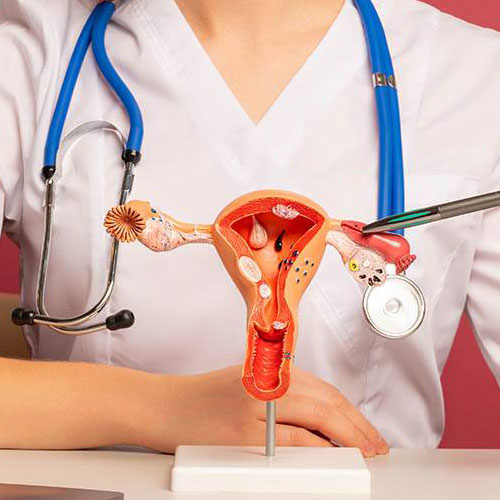
A hysteroscopy is a gynecological procedure that uses a thin, lighted telescope (hysteroscope) inserted through the cervix to examine and treat the inside of the uterus. It is used to diagnose causes of abnormal bleeding, infertility, or remove polyps/fibroids. The procedure is often done in a clinic or as outpatient surgery.
Key Aspects of Hysteroscopy: :
Purpose : Diagnostic (identifying issues) or Operative (treating conditions like removing polyps, fibroids, or taking a biopsy).
Procedure : A camera sends images to a monitor to inspect the uterine cavity. It is usually done shortly after menstruation.
Anesthesia : Can be performed under local, regional, or general anesthesia depending on whether it is diagnostic (often no anesthesia) or operative.
Recovery & Risks : Typically, patients go home the same day. Common side effects include light bleeding or cramping. Risks are rare but include infection, uterine perforation, or heavy bleeding.
Indications for Hysteroscopy :
Abnormal or heavy menstrual bleeding.
Bleeding between periods or post-menopausal bleeding.
Removal of misplaced IUDs.
Investigating recurrent miscarriages or fertility issues.
Removal of adhesions (scar tissue) or uterine septum.
When is the best time to have a hysteroscopy?
The best time for a hysteroscopy is generally within the first week after your menstrual period ends (typically days 5 to 12 of your cycle), as this ensures the uterine lining is thin, providing the clearest view. This timing also confirms you are not pregnant.
How long after a hysteroscopy can I get pregnant?
You can generally start trying to conceive one full menstrual cycle (around 4 to 6 weeks) after a hysteroscopy to allow the uterine lining to heal. For simple diagnostic procedures, you may be able to try sooner, while major surgery like removing large fibroids or septums may require waiting 1 to 3 months.
How painful is a hysteroscopy?
Hysteroscopy pain varies from none to moderate, often described as intense menstrual cramps. While many tolerate it well, some experience severe discomfort, particularly during cervical passage. Pain is usually brief, managed with pre-procedure painkillers, and rarely requires stopping the procedure.
When to Contact Your Doctor?
Any sign that feels abnormal or "not right" should be reported immediately, as early intervention is crucial. If symptoms are severe, go directly to the emergency department.
Managing Discomfort
Pain Relief : Taking pain relief tablets (like ibuprofen or paracetamol) about an hour before the appointment is advised.
Local Anesthetic : Sometimes used to numb the cervix, though it can also be uncomfortable.
Support : Gas and air (Entonox) may be offered to help manage pain.
Communication : Patients can ask to pause or stop the procedure at any time.
What is the most common reason for a hysteroscopy?
One of the most common uses for hysteroscopy is to find the cause of abnormal uterine bleeding. Abnormal bleeding can mean that your menstrual periods are heavier or longer than usual, or happen less or more often than normal.
Is hysteroscopy a serious surgery?
Hysteroscopy is most often done on an outpatient basis. Otherwise, you won't need any special care after a hysteroscopy. You may have cramping and vaginal bleeding for 1 or 2 days after the procedure. Report fever, severe abdominal pain, or heavy vaginal bleeding or discharge.


Services Offered


Treatments
About Gynaecology

Chambers


Video
You can get all kind of video that related to Gynaecologist & Obstetrician, Laparoscopic, Infertility related Disease.

FAQ
You can get all kind of question and answer that related to Gynaecologist & Obstetrician, Laparoscopic, Infertility related Disease.

Contact
By simply registering with your details you can reach to the doctors and book appointments in advance.

Feedback
By simply registering with your details you can reach to the doctors and enquiry in advance.


MBBS. MD (O & G), Consultant Gynaecologist & Obstetrician, Laparoscopic Surgeon, Infertility Specialist
Contact Person : Dr. (Mrs.) Chaitali Roy
CD-19, Saltlake, Sector - I,
Near City Center - I,
Kolkata: 700 064, West Bengal, India.