
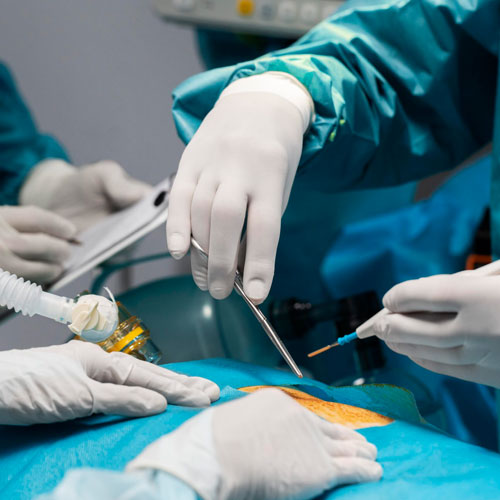
Laparoscopic surgery, or minimally invasive surgery (MIS), is a modern technique using a camera (laparoscope) and specialized instruments inserted through small 0.5–1 cm abdominal incisions. This approach causes less pain, minimal scarring, faster recovery, and fewer complications compared to traditional open surgery. It is commonly used for gallbladder, hernia, appendix, and gynecological procedures.
Key Aspects of Laparoscopic Surgery :
Procedure : The abdomen is inflated with carbon dioxide gas to create working space. The surgeon views a magnified image from the camera on a high-definition monitor to perform the operation.
Benefits : Smaller incisions result in reduced tissue trauma, less pain, lower infection risk, and shorter hospital stays (often same-day discharge).
Recovery : Patients usually experience faster recovery times, allowing a quicker return to normal activities compared to open procedures.
Risks : While safer, risks can include infection, bleeding, or injury to surrounding organs. In some cases, the surgeon may need to convert to open surgery if a clear view cannot be maintained.
What is laparoscopic surgery used for?
Laparoscopic surgery, or minimally invasive surgery, is used to diagnose and treat conditions within the abdomen and pelvis using small incisions, a camera, and specialized instruments. Common applications include removing the gallbladder (cholecystectomy), appendix (appendectomy), repairing hernias, conducting gynecological procedures (endometriosis, cysts, hysterectomy), and performing weight loss surgery.
Is laparoscopy a big surgery?
Laparoscopy is often classified as a major surgery regarding the complexity and risk associated with internal organ manipulation, even though it is technically a "minimally invasive" procedure. While it involves small, "keyhole" incisions and faster recovery than open surgery, it often requires general anesthesia and involves operating on critical organs like the gallbladder, uterus, or bowel.
How much bed rest is required after a laparoscopy?
After laparoscopy, you should take it easy for 1 to 2 days, but full "bed rest" is not recommended, as gentle movement is encouraged within 24 hours to prevent blood clots. Most people can return to light, non-strenuous activities within 3 to 7 days, with full recovery often taking 1 to 4 weeks depending on the procedure.
Key Uses of Laparoscopic Surgery: :
Digestive System : Removal of the gallbladder, appendix, parts of the liver or bowel, and treating esophageal reflux.
Gynecology : Removing ovarian cysts, uterine fibroids, treatment of endometriosis, tubal ligation (sterilization), and treating ectopic pregnancies.
General Surgery : Hernia repair (inguinal, ventral, umbilical), rectal prolapse repair, and biopsies of abdominal organs.
Urology : Removal of the prostate or kidneys.
Cancer Treatment : Used for diagnosing and staging cancers of the liver, ovaries, and colorectal areas.
Diagnostic Purposes : Investigating unexplained abdominal or pelvic pain, infertility, or checking for internal damage.


Services Offered


Treatments
About Gynaecology

Chambers


Video
You can get all kind of video that related to Gynaecologist & Obstetrician, Laparoscopic, Infertility related Disease.

FAQ
You can get all kind of question and answer that related to Gynaecologist & Obstetrician, Laparoscopic, Infertility related Disease.

Contact
By simply registering with your details you can reach to the doctors and book appointments in advance.

Feedback
By simply registering with your details you can reach to the doctors and enquiry in advance.


MBBS. MD (O & G), Consultant Gynaecologist & Obstetrician, Laparoscopic Surgeon, Infertility Specialist
Contact Person : Dr. (Mrs.) Chaitali Roy
CD-19, Saltlake, Sector - I,
Near City Center - I,
Kolkata: 700 064, West Bengal, India.